What Are the Different Types of Commercial Cleaning Services for Eagan, MN Businesses?
Every commercial property has different cleaning requirements. An office may need regular workstation and restroom maintenance, while a retail store may require more frequent floor care and attention to customer areas. For businesses in Eagan, Minnesota, understanding the different types of commercial cleaning services makes it easier to choose a practical plan. From routine janitorial service to detailed floor care and periodic deep cleaning, the right combination helps businesses keep their facilities presentable and ready for everyday use.
Why Businesses Need Different Types of Commercial Cleaning
Commercial cleaning is not a one-size-fits-all service. The tasks required depend on the property's size, the number of people using it, the type of work performed, and how quickly dirt and waste accumulate.
A small office may need regular vacuuming, trash removal, and restroom cleaning. A larger facility with shared spaces and frequent visitors may need more frequent service. Some businesses also require specialized tasks that cannot be completed during a standard cleaning visit.
For Eagan businesses, seasonal conditions can influence cleaning priorities, too. Snow, slush, moisture, and road salt can be tracked indoors during Minnesota winters, making entrance and floor maintenance especially important.
Understanding the available services helps business owners identify which tasks should be completed routinely and which can be scheduled periodically.
1. Office Cleaning Services
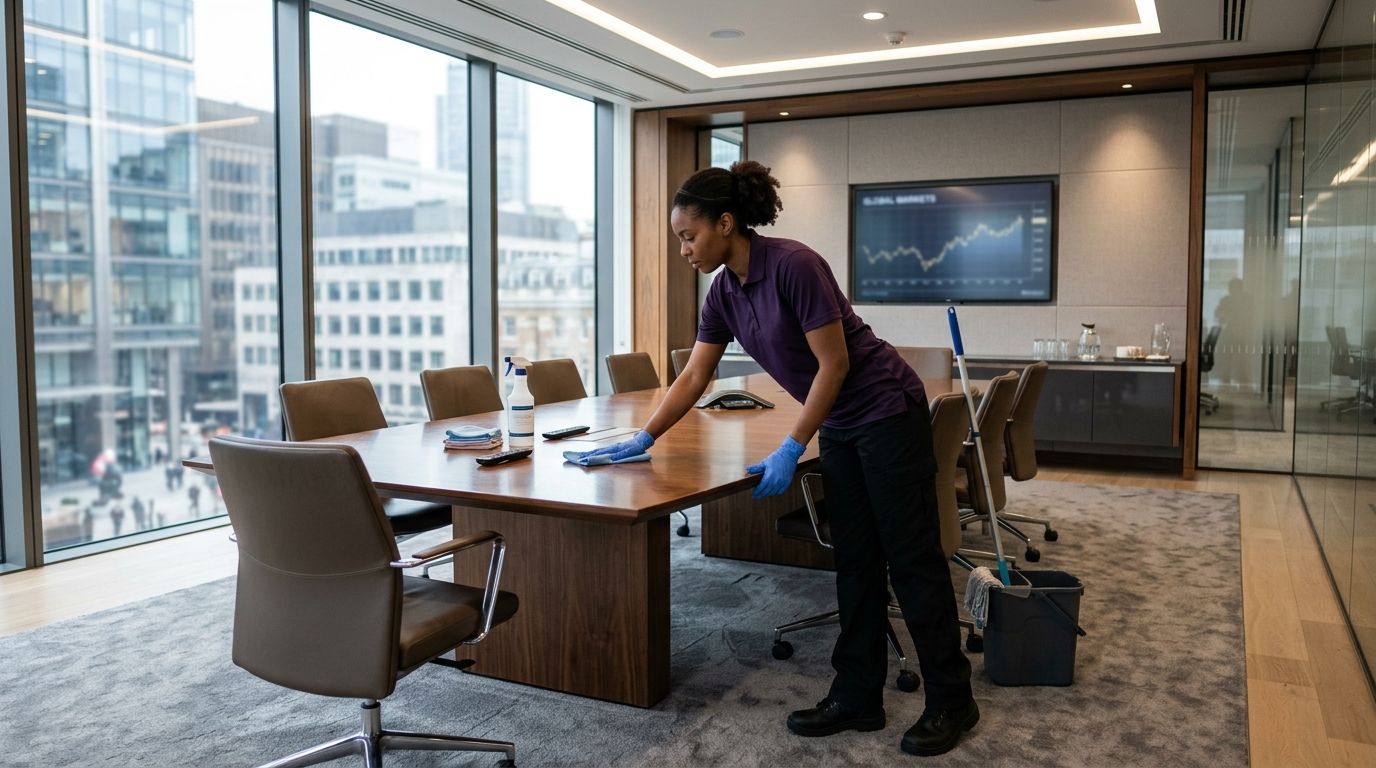
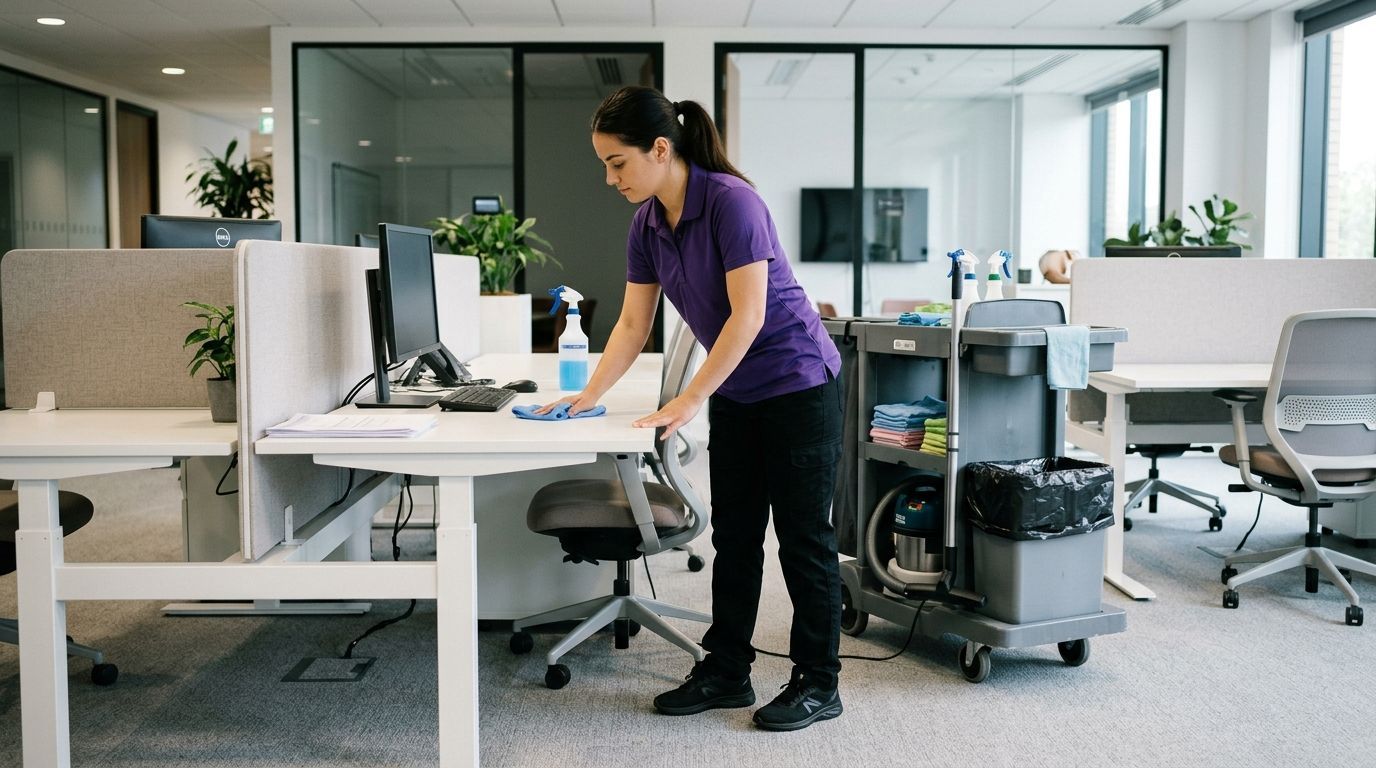
Office cleaning focuses on keeping workspaces and shared areas neat and usable. Desks, conference rooms, reception areas, and hallways can accumulate dust, fingerprints, crumbs, and everyday debris as employees and visitors move through the building.
Typical office cleaning tasks may include:
- Dusting accessible furniture and surfaces
- Emptying trash and recycling containers
- Vacuuming carpets and cleaning hard floors
- Wiping conference tables and shared surfaces
- Cleaning reception areas and meeting rooms
- Removing visible smudges from suitable surfaces
The frequency depends on office size and daily activity. A busy workplace with regular visitors may benefit from daily cleaning, while a smaller office may need service several times per week.
Businesses should establish clear instructions for desks, paperwork, electronics, and personal belongings so cleaning can be completed without disrupting employees or handling items that should remain untouched.
2. Commercial Janitorial Services
Janitorial services generally involve recurring cleaning and routine facility upkeep. Instead of arranging separate appointments for every task, businesses can establish a regular schedule that covers their most important maintenance needs.
Depending on the agreement, janitorial service may include trash removal, restroom cleaning, floor maintenance, dusting, and upkeep of common areas. Some programs also include break room cleaning and periodic detailed tasks.
Service can be scheduled daily, several times per week, weekly, or at another agreed interval. The right frequency depends on the facility's traffic, operating hours, and maintenance requirements.
For Eagan businesses that want a predictable approach to cleaning, a recurring janitorial plan helps define which tasks are completed at each visit and how the building will be maintained over time.
3. Commercial Floor Cleaning
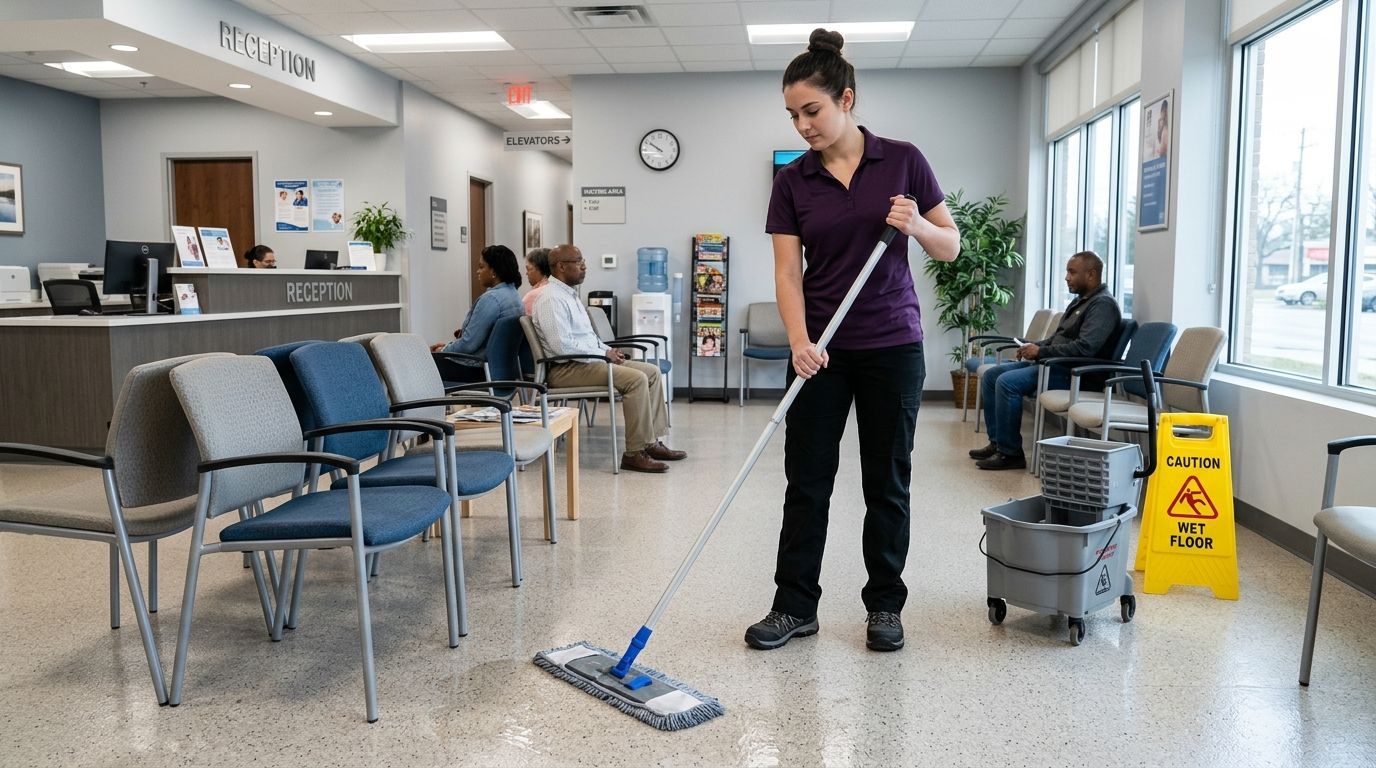
Commercial floors experience regular wear from foot traffic, furniture movement, spills, and dirt brought in from outside. Without appropriate maintenance, floors can look dirty, develop buildup, or become harder to clean.
Commercial floor care may include sweeping, vacuuming, damp mopping, and machine scrubbing where appropriate. Additional services may include carpet extraction, tile and grout cleaning, or specialized maintenance for particular hard-floor materials.
The correct method depends on the flooring type. Carpet, tile, vinyl, and concrete each have different care requirements, so businesses should ensure that cleaning products and equipment are suitable for their surfaces.
In winter, Eagan businesses may need extra attention around entrances, lobbies, and hallways where snow, slush, and road salt collect. More frequent maintenance in these areas can help manage seasonal dirt before it spreads throughout the facility.
4. Commercial Deep Cleaning
Routine cleaning handles everyday messes, but some areas need more detailed attention. Commercial deep cleaning focuses on accumulated grime and tasks that may not be included in every standard visit.
Depending on the property and agreed scope, deep cleaning may include detailed attention to baseboards, corners, accessible edges, selected fixtures, and heavily used surfaces. It may also involve more intensive cleaning of restrooms, break rooms, or floor areas.
Businesses may schedule deep cleaning periodically, before a special event, after a busy season, or when a facility needs a more thorough refresh.
Deep cleaning should complement regular maintenance rather than replace it. Before scheduling service, businesses should request a written list of included tasks because the term can mean different things to different providers.
5. Restroom Cleaning and Sanitation
Restrooms require consistent attention because they are used repeatedly throughout the day. Dirty fixtures, unpleasant odors, empty dispensers, and overflowing waste containers can quickly affect how employees and visitors experience a facility.
Commercial restroom cleaning may include cleaning toilets, sinks, faucets, counters, mirrors, partitions, and floors. Emptying waste containers and replenishing supplies may also be included when specified in the agreement.
Cleaning and disinfecting are different processes. Cleaning removes dirt and debris, while disinfection uses suitable products according to their instructions to reduce specified microorganisms on treated surfaces.
Businesses should clarify which restroom tasks are included, how often service will take place, and who is responsible for providing consumables such as toilet paper, paper towels, and soap.
6. Break Room and Kitchen Cleaning
Employee kitchens and break rooms often accumulate crumbs, spills, fingerprints, and waste. Because these spaces are shared, they can become untidy quickly without a consistent cleaning routine.
Break room cleaning may include wiping tables and counters, cleaning sinks, emptying trash, sweeping or mopping floors, and wiping accessible exterior appliance surfaces.
Businesses should confirm whether tasks such as cleaning inside refrigerators, washing dishes, or removing expired food are included. These responsibilities are often handled separately unless specifically agreed upon.
A defined cleaning schedule helps keep shared spaces usable and makes it easier for employees to understand their own responsibilities for food storage and personal belongings.
7. Commercial Carpet Cleaning
Carpets can collect dust, soil, and debris that regular vacuuming may not completely remove. High-traffic areas such as reception spaces, hallways, and conference rooms may show visible wear more quickly than less-used parts of a building.
Professional carpet cleaning can address deeper soil using methods suited to the carpet's material and condition. The appropriate schedule depends on foot traffic, visible buildup, and manufacturer care recommendations.
Some businesses arrange carpet cleaning as a periodic service alongside regular janitorial maintenance. Scheduling it separately can allow for equipment setup and drying time without interfering with normal office operations.
8. Window and Glass Cleaning
Windows, glass doors, interior partitions, and reception panels can collect dust, fingerprints, and smudges. These details may seem minor, but they can affect the appearance of a professional environment.
Depending on the service agreement, glass cleaning may include accessible interior windows, entry doors, partitions, and other designated surfaces.
Exterior windows and elevated glass may require specialized equipment, access arrangements, or a separate service provider. Businesses should confirm which surfaces are included and how frequently they will be cleaned.
Regular attention to glass helps keep entrances, conference rooms, and customer-facing spaces looking neat and presentable.
9. Post-Construction Cleaning
Renovation and construction work can leave dust, packaging, residue, and other debris throughout a commercial property. Before employees return to an updated office or a business begins using a renovated space, additional cleaning may be needed.
Post-construction cleaning can include removing dust from suitable surfaces, cleaning floors, wiping accessible fixtures, and addressing interior glass or other areas affected by the work.
The service should be planned according to the condition of the property and the stage of the project. Heavy debris, hazardous materials, and specialized cleanup may require appropriately equipped contractors rather than a standard janitorial team.
Businesses should request a separate scope of work so the provider can identify the tasks, timing, and equipment needed.
10. Recurring Cleaning for High-Traffic Facilities
Some facilities need a cleaning plan that goes beyond a single visit or a basic weekly routine. Offices with frequent appointments, retail locations, and properties with heavily used common areas may require more consistent attention.
A recurring plan can combine regular cleaning with additional attention to the areas that become dirty most quickly. For example, a business may schedule daily restroom maintenance and trash removal while arranging detailed floor care less frequently.
The schedule should be based on actual building use rather than applying the same frequency to every task. This helps businesses focus resources on areas that need regular attention while keeping less-used spaces maintained appropriately.
How to Choose the Right Commercial Cleaning Services in Eagan
The best cleaning plan depends on the facility and its daily operations. Before selecting services, consider the building's size, employee and visitor traffic, flooring materials, restroom usage, and seasonal maintenance needs.
Ask potential providers to explain which tasks are included, how often they will be completed, whether supplies are provided, and how additional services are priced. A written scope of work makes it easier to compare proposals and establish clear expectations.
Businesses should also consider operating hours and building access. Some may prefer after-hours cleaning to avoid interruptions, while others need selected tasks completed during the day.
It is not always necessary to purchase every available service. Choosing the tasks that address the facility's actual needs can provide a more practical and manageable cleaning program.
Keep Your Eagan Business Clean and Presentable
Commercial cleaning includes a variety of services, from routine office cleaning and janitorial maintenance to floor care, restroom cleaning, carpet cleaning, and post-construction cleanup. Each service addresses different needs, and the most effective plan combines the tasks that suit the property.
Eagan Commercial Cleaning can help local businesses identify appropriate cleaning services for their facilities, operating schedules, and maintenance priorities. With clearly defined tasks and a consistent plan, businesses can maintain a more professional environment while focusing on their daily work.